
These posts are written by me, not AI. Unless otherwise stated, all pictures were taken by me as well. Please enjoy.
At some point, most gun owners end up with a firearm they consider refinishing. Maybe it’s a family heirloom that’s seen better days. Maybe it’s something that caught your eye in a gun shop rack. The question always comes up: Will refinishing this hurt its value, or help it?
The short answer is that the value does not increase linearly with the cost of the refinish. Like most things in gunsmithing, the real answer depends on the individual gun, its history, and what you ultimately want out of it.
Some of the links on this site are affiliate links, which means I may earn a small commission if you choose to make a purchase—at no additional cost to you. This has no impact on what I write about or the opinions I share, as everything here is based on real use and time in the field. I only include links when I believe they genuinely add value or help the reader, and I won’t recommend or link to anything I wouldn’t use myself.
What People Mean by “Refinishing”
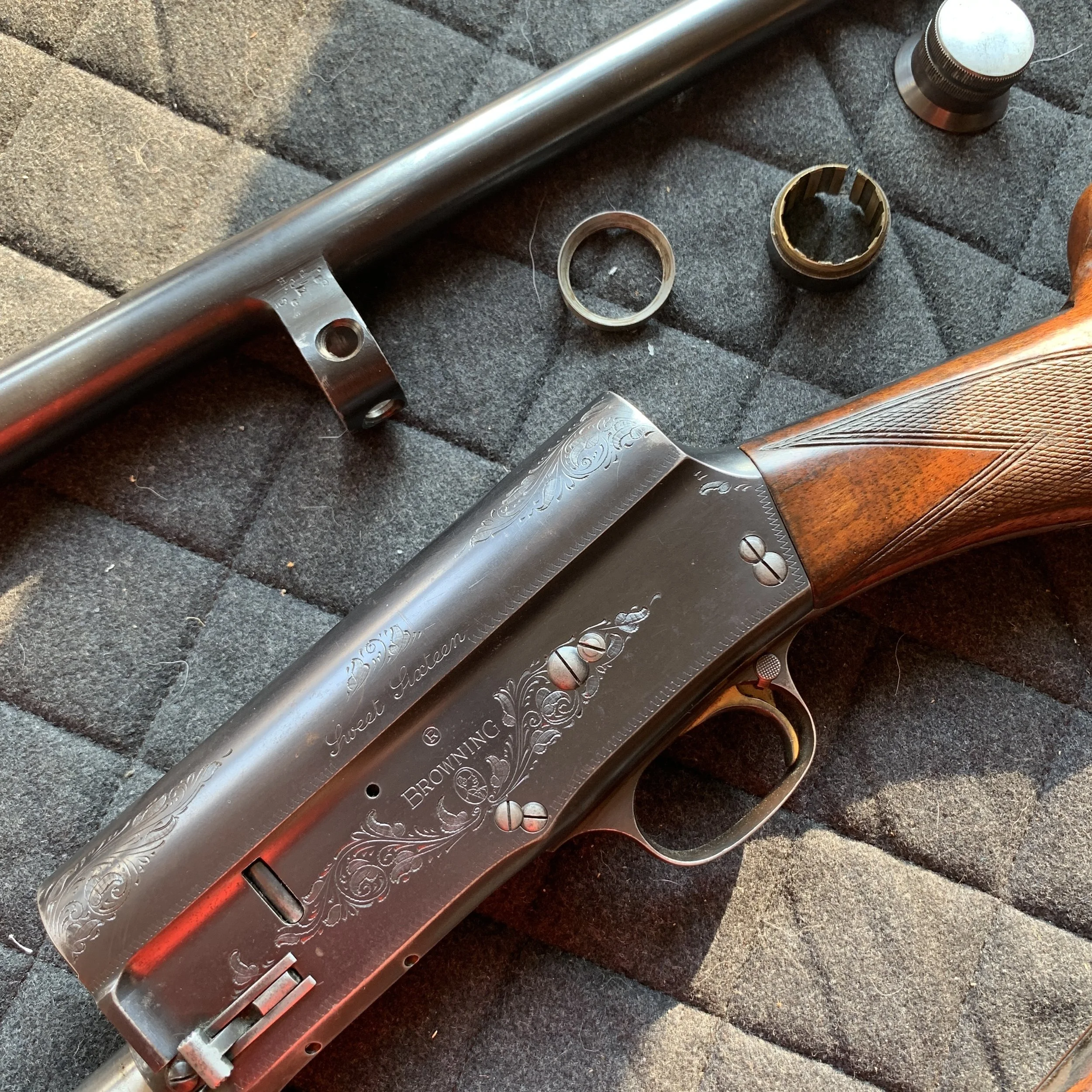
When most people talk about refinishing, they mean returning a firearm to something resembling a factory-new appearance. In practical terms, that usually involves polishing metal surfaces, sanding the stock, and applying a new finish to both.
On the metal side, that means removing rust and pitting with files and abrasives, then polishing everything to a uniform finish before bluing or applying whatever finish is appropriate. This is also where poor refinish jobs show themselves—factory stampings washed out, screw holes softened, edges rounded where they never should have been.
For the wood, the process typically starts with stripping the old finish. Dents are raised, scratches and gouges are sanded out, and the stock is refinished. Done carefully, it can look beautiful. Done carelessly, it can permanently erase original lines and dimensions.
Not all refinishing is bad, but it’s irreversible. That’s what makes the decision matter.
Understanding Value Before Touching Anything
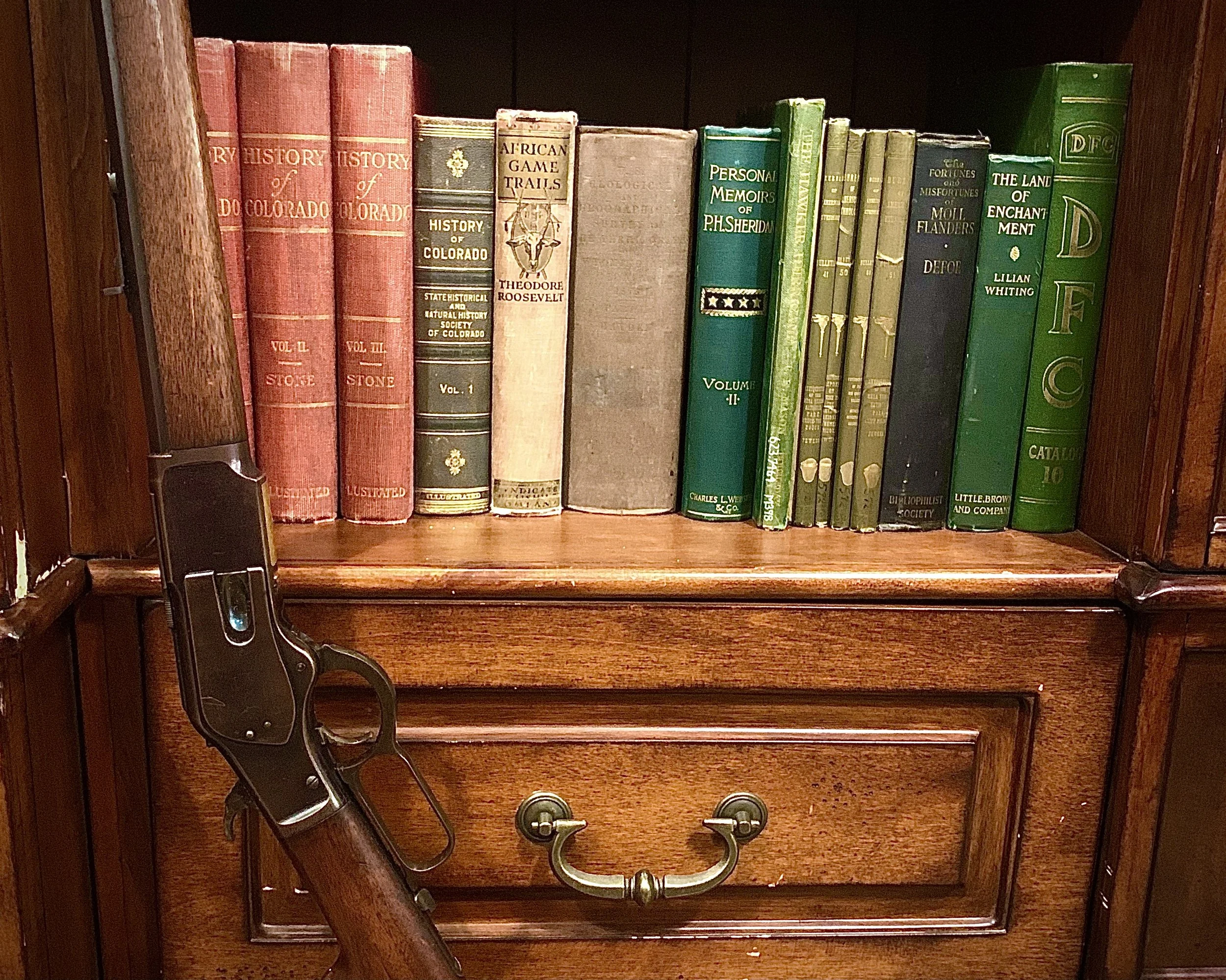
Before deciding what to do, it’s worth taking a step back and asking what the firearm is actually worth. Value isn’t universal. A collector may pay significantly more for a rifle with specific markings or original finish, while a shooter may only care that it functions well and looks presentable. Rarity, condition, demand, and even pop culture all play a role.
Many older firearms models aren’t being made anymore, which limits supply. Sometimes that scarcity isn’t obvious until imports dry up or interest spikes. Markings, production years, and original configuration can all swing value dramatically. This is where refinishing can either make sense or permanently erase what made the gun special in the first place.
When Refinishing Hurts Value
Military surplus firearms almost always lose value when refinished. Collectors would rather see honest wear, original finish, and the marks of service than a polished surface that erases history. This is not the same as arsenal refinishing done during a firearm’s service life, those finishes are part of the gun’s story.
Commercial firearms are more nuanced. A common hunting rifle that’s heavily rusted may gain value once refinished, simply because it becomes usable and attractive again. But some commercial firearms, early Winchesters being a prime example, can lose significant value the moment original finish is removed. There are no hard rules. Every gun deserves to be evaluated on its own.
What a Proper Refinish Looks Like
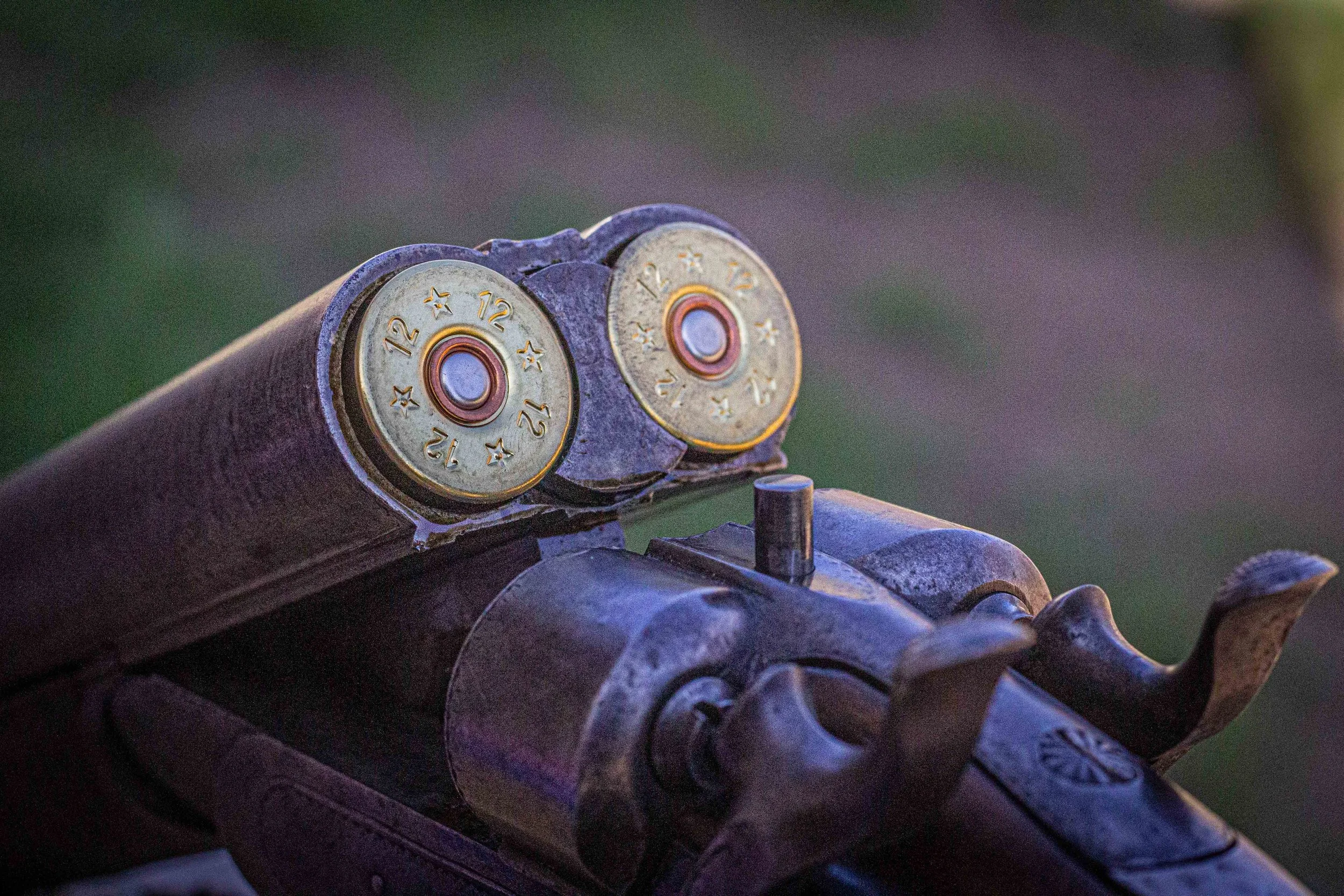
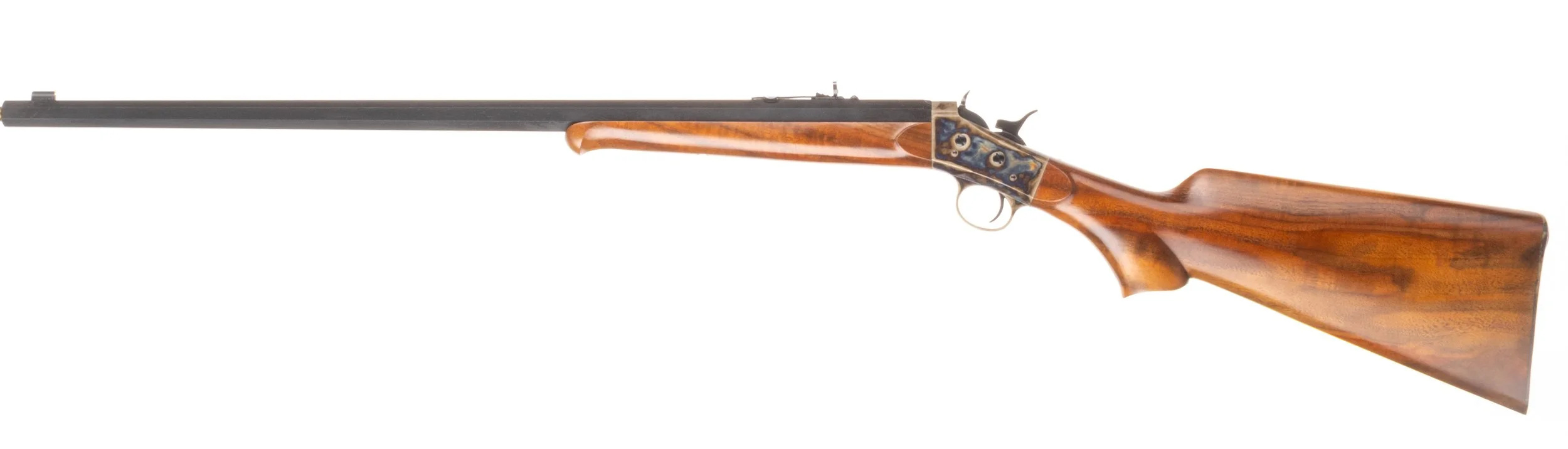
A proper refinish is far more than “making it shiny.” Done correctly, it respects how the firearm was originally built. That means polishing in the same direction the factory did, preserving edges, fire-bluing the correct screws and pins, and using historically appropriate finishes. It also means understanding how heat treatment and metallurgy were handled when the gun was made.
This level of work requires more than skill, it requires research. Old factory methods, tooling marks, and period-correct details matter. Shops like Turnbull Restoration are good examples of refinishing done right. Their work often increases a firearm’s value, but it comes at a cost. You get what you pay for though, don’t expect a Turnbull level restoration from someone who charges half that. When restoration is done at that level, specialization matters. The best results almost always come from shops that focus on specific manufacturers or models.
I personally specialize in wood refinishing, and a proper wood refinish is much more than sanding and adding an oil finish. It typically involves a new recoil pad(if one already exists), repairing any damage, and lastly, the most overlooked, recutting the checkering.
Alternatives Worth Considering
Refinishing isn’t the only option, and often, it’s not the best first step. If you’re unsure what to do, ask your gunsmith what they would recommend. A good one will talk you out of unnecessary work. Two alternatives I commonly suggest are detailed cleaning and conservation.
Detailed Cleaning
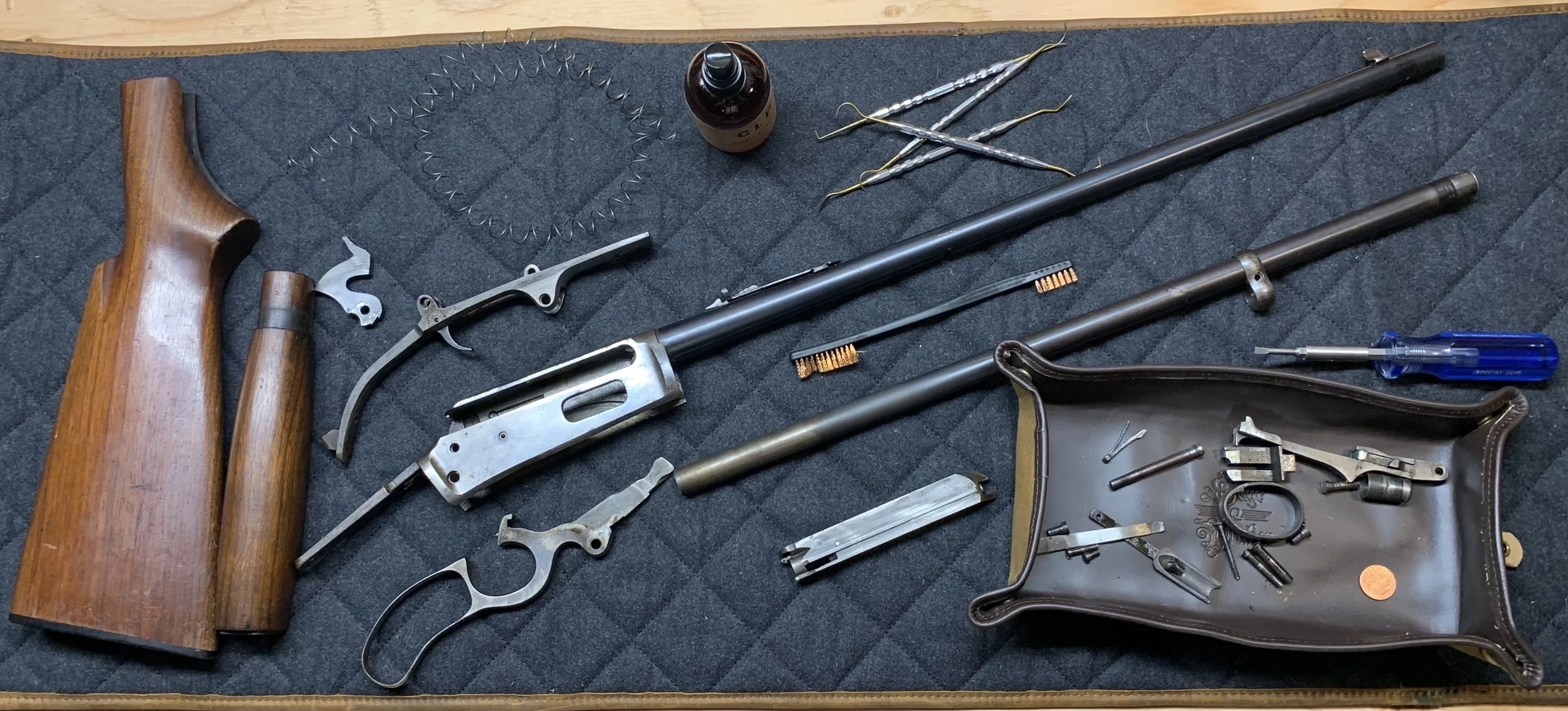
A detailed cleaning involves complete disassembly, inspection, and cleaning of every part. On older firearms especially, there are internal areas that never get touched during normal maintenance. Dirt, dried oil, and corrosion can live there for decades. A thorough cleaning can restore function and reliability without altering originality or value.
Conservation
Conservation has gained popularity thanks in large part to Mark Novak of Anvil Gunsmithing. The process involves boiling metal parts to convert active rust back into bluing, without polishing or removing original markings. The results can be impressive. Rust is arrested, the metal is preserved, and the firearm retains its character. In many cases, value is maintained rather than sacrificed. I expect conservation to continue growing as more people prioritize preservation over restoration.
At the End of the Day, It’s Your Gun
Ultimately, this decision comes down to what you want. If the firearm is yours and refinishing it will bring you satisfaction, that matters. That said, it’s worth considering the long-term implications before making irreversible changes. Sometimes the better option is leaving a family rifle alone and finding a more common example for a project build. There’s nothing wrong with either approach, as long as the decision is made with open eyes.
Refinishing can be the right choice. It can also be a mistake. The difference lies in understanding the gun in front of you before any work begins.
Written by: Kurt Martonik
Kurt is a Gunsmith, Reloader, Hunter, and Outdoorsman. He grew up in Elk County, Pennsylvania, where he became obsessed with the world of firearms. Following high school, Kurt enlisted in the United States Air Force as a Boom Operator, where he eventually rose to the position of Instructor. After his military service, he attended the Colorado School of Trades(CST) in Lakewood, CO for gunsmithing. Following graduation, he accepted a job at C. Sharps Arms in Montana, where he worked as a full time stockmaker and gunsmith. He now owns and operates Highland Custom LLC. See full bio here.
